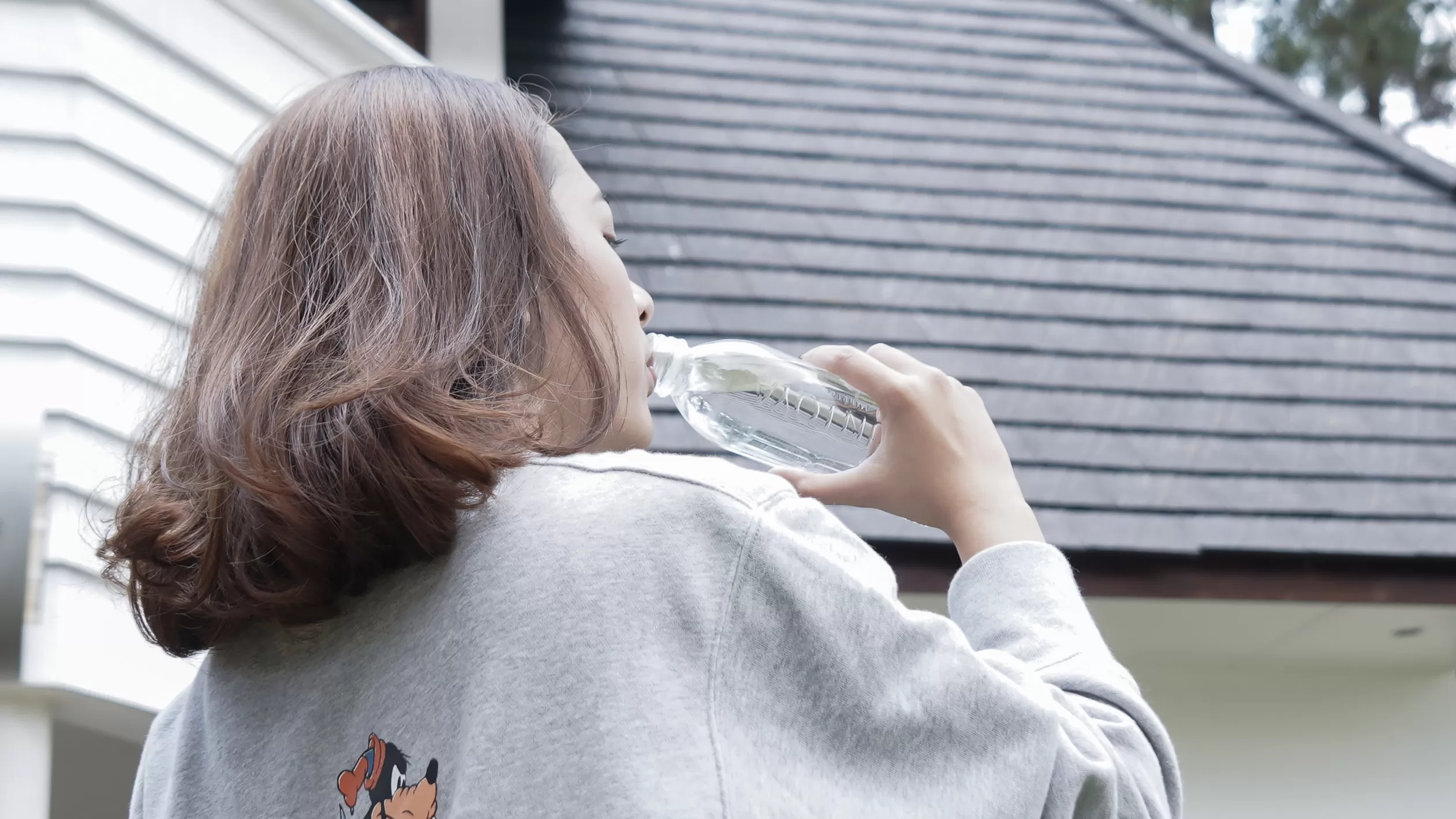
Don't forget to drink water, or you'll get dehydrated. You must have heard this phrase while exercising. Dehydration can actually affect anyone, and not just during exercise.
What is Dehydration?
In general, dehydration occurs when your body lacks fluids. This happens because the amount of fluid leaving the body is greater than the amount being consumed.
When more fluid leaves than enters the body, it disrupts the balance of sugar and salt. This prevents the body from functioning normally.
Causes of Dehydration
Dehydration can be caused by several factors, including:
- Diarrhea and vomiting. If you have diarrhea, your body loses a lot of fluids and electrolytes. If you have both diarrhea and vomiting, you need to pay close attention to your fluid and electrolyte intake.
- Fever. When your body temperature rises, your body sweats to try to regulate the temperature and keep your organs functioning normally.
- Exercise. Exercise is an activity that causes significant sweating. If you notice that you are sweating a lot during exercise, replenish your fluids immediately to avoid dehydration.
- Frequent urination. Frequent urination can cause dehydration due to the large amount of fluid being expelled. This can be caused by certain medications or undiagnosed diabetes.
Symptoms of Dehydration
Each age group has different symptoms of dehydration. Below are the symptoms of dehydration based on age, as cited from mayoclinic.org.
Infants or Young Children
- Dry mouth and tongue
- No tears when crying
- No urination for more than three hours
- Sunken eyes and cheeks
- Lethargy and irritability
Adults
- Thirst
- Infrequent urination
- Dark-colored urine
- Fatigue
- Dizziness
Severe Consequences of Dehydration
Initially, dehydration may not have severe consequences. However, if not properly managed, it can lead to serious illnesses.
Illnesses caused by dehydration include:
- Decreased kidney function
- Kidney stones
- Hypertension
- Urinary tract infections
- Intestinal disorders
- Dementia
How to Avoid Dehydration
Each cause of dehydration has its own handling method. The causes of dehydration are quite easy to identify due to their significant differences. Once you know the cause, you can take the appropriate action.
Ways to Avoid Dehydration According to Its Causes
- Diarrhea or vomiting. If you have diarrhea or vomiting, replenish your body with fluids (such as mineral water) immediately. You can also drink oral rehydration solutions to quickly replenish your body’s fluids and balance your sugar and salt levels.
- Intense exercise. Before intense exercise, it is highly recommended to hydrate yourself. During the activity, continue to hydrate. If you engage in prolonged exercise, schedule intervals to drink water, such as every 15 to 20 minutes, depending on the activity and your hydration level.
- Weather and environment. In cold or high-altitude places, you need to drink water to maintain moisture due to dry air. In hot or low-altitude places, drinking water helps maintain body temperature and replace fluids lost through sweating.
- Illness. When you are sick, your body often sweats. The fluids lost need to be replaced immediately. Therefore, ensure adequate water intake when you are ill.
Sometimes dehydration symptoms are overlooked because they do not appear serious. Therefore, you must be aware of your body’s fluid needs.